A bowl of fruit on the worktop looks inviting, but not every fruit belongs there. Some need warmth to ripen and develop flavour; others start to spoil the moment they leave the fridge. The trick is knowing which is which, and when to move a fruit from one place to the other. This guide covers 12 everyday fruits and gives you a simple routine that takes the guesswork out of storage.
Why the worktop and fridge do different jobs
Room temperature encourages enzymes to break down starches and soften flesh. Ethylene gas, produced by some fruits, speeds this process up. The fridge does the opposite: cold slows ripening and slows the growth of mould and bacteria, so fruit lasts longer. But cold can also damage texture and flavour in some fruits, especially tropical ones. The rule of thumb is straightforward: ripen on the worktop, then refrigerate if you need more time.
The 12 fruits: a quick guide
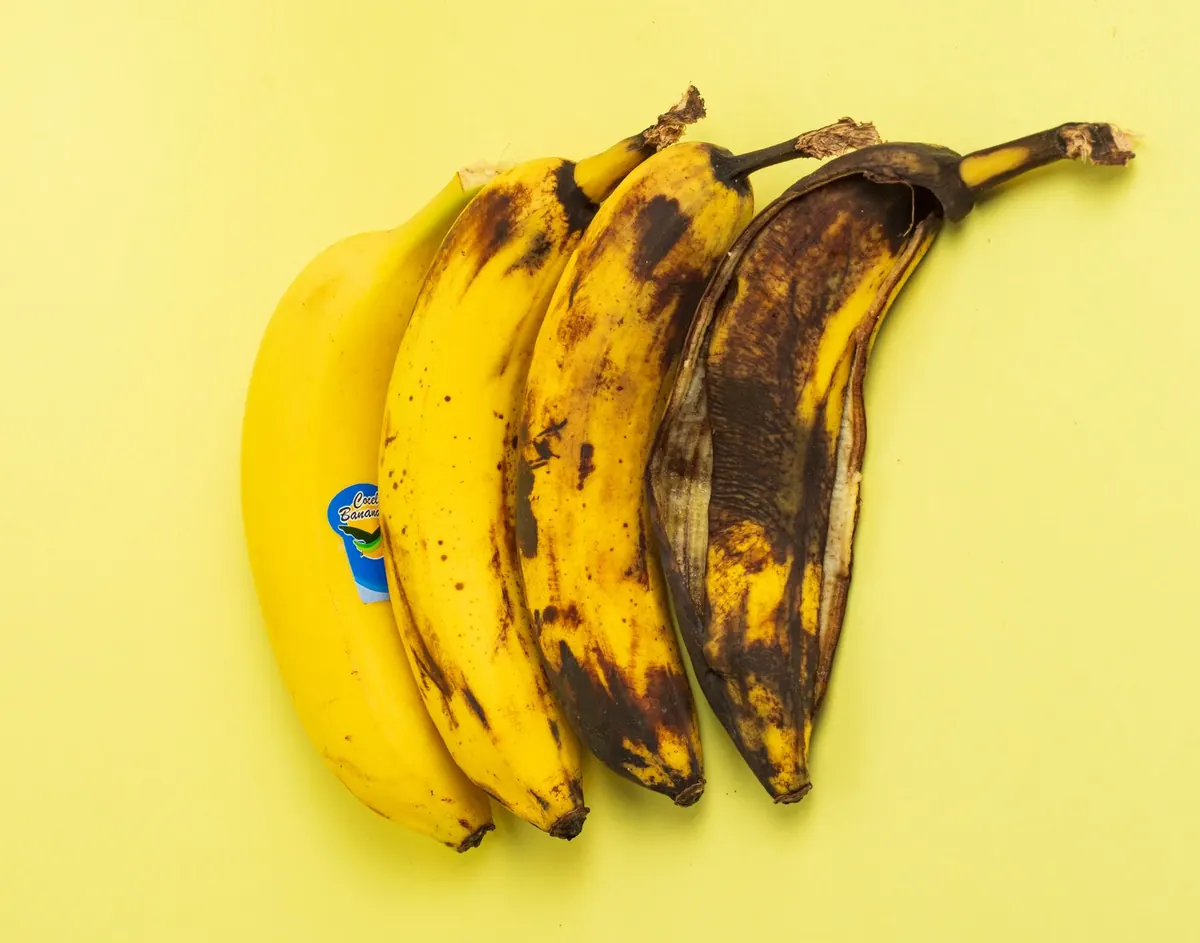
- Bananas: worktop until ripe; fridge once yellow and spotted, though the skins will darken.
- Avocados: worktop until they yield to gentle pressure; fridge once ripe and use within a few days.
- Tomatoes: worktop, stem side down, away from direct sun; avoid the fridge unless they are very ripe and you must.
- Peaches: worktop in a single layer until fragrant and slightly soft; fridge once ripe.
- Nectarines: same as peaches.
- Plums: worktop until slightly soft at the stem; fridge once ripe.
- Pears: worktop until the neck near the stem gives; fridge once ripe.
- Mangoes: worktop until slightly soft and fragrant; fridge once ripe.
- Kiwis: worktop until slightly soft; fridge once ripe. Firm kiwis can be left out.
- Apples: worktop for a few days if eating soon; fridge for longer crispness. Keep away from other fruit.
- Oranges: worktop for a few days; fridge for longer storage.
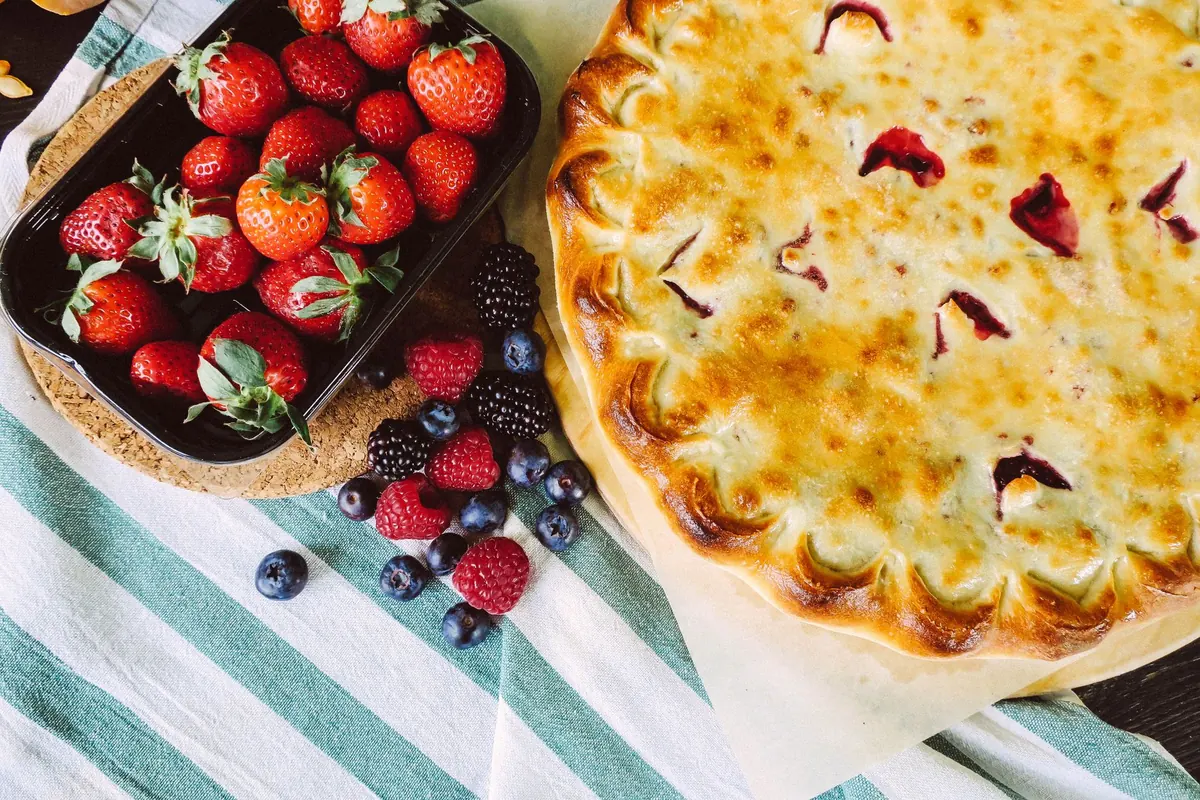
- Strawberries: fridge straight away; wash only before eating.
Worktop first: fruits that need warmth to ripen
Bananas, avocados and tomatoes
These three are the classic worktop fruits. Bananas arrive green and firm, then turn yellow and sweet at room temperature. Avocados go from rock-hard to buttery, and tomatoes develop their best flavour off the vine. Don’t refrigerate unripe avocados or tomatoes; cold stops ripening and can ruin their texture. For tomatoes, the cold also dulls the flavour compounds that make them taste like tomatoes.
Stone fruits, pears, mangoes and kiwis
Peaches, nectarines, plums, pears, mangoes and kiwis all continue to ripen after picking. Leave them in a single layer, not piled up, with space for air to move around them. A paper bag speeds things along; add a banana or an apple to the bag if you want to hurry a stubborn avocado or pear. Check them daily. Once they give slightly, move them to the fridge.
Fridge first: fruits that won’t improve on the worktop
Strawberries, oranges and apples are different. Strawberries do not ripen further after picking, and room temperature encourages mould, so chill them as soon as you get home. Oranges last longer in the fridge, though a few days on the worktop is fine if you plan to eat them soon. Apples can sit out, but they go soft faster; the fridge keeps them crisp. They also produce ethylene, so store them away from other fruit and vegetables that might be sensitive to it.
When to move fruit to the fridge
The signal is simple: when it reaches the ripeness you like, chill it. For avocados, that means gentle pressure. For peaches, a sweet smell and slight give. For pears, the neck near the stem. For mangoes, a little softness. For kiwis, a slight give. For bananas, yellow with brown spots. If you chill too early, flavour and texture may never develop. If you wait too long, you get bruises and mould.
Bring chilled fruit to room temperature before eating. Cold dulls sweetness and aroma, especially in peaches, plums and tomatoes. Even 20 minutes on the worktop helps.
Common storage mistakes
- Storing everything together: ethylene producers such as bananas, apples and pears speed up sensitive fruits such as berries, avocados and leafy greens.
- Washing berries too soon: moisture invites mould. Wash just before eating.
- Piling fruit: this causes bruises and traps moisture. Use a single layer or a shallow bowl.
- Using an airtight container for ripe fruit: some airflow is better. Paper bags are for ripening, not long-term storage.
- Putting unripe fruit in the fridge: cold can stop ripening and cause chilling injury in bananas, tomatoes and avocados.
- Forgetting the crisper drawer: it is the best spot for apples, oranges and berries. Keep it slightly open if your fridge allows.
A simple weekly routine
When you unpack your shopping, sort it. Strawberries and oranges go into the fridge. Bananas, avocados, tomatoes, peaches, nectarines, plums, pears, mangoes and kiwis go on the worktop. Apples can go either way, but choose the fridge if you want them crisp. Check the worktop bowl each morning. Anything ripe but not being eaten today goes into the fridge. Anything soft or mouldy goes out. This one-minute habit cuts waste and means you eat fruit at its best.
If you have a glut, freeze ripe fruit. Slice bananas, stone fruit and mangoes, spread them on a tray, then bag them once frozen. Berries freeze well too. Use frozen fruit in smoothies, porridge or baking. For personal dietary advice, speak to a qualified health professional.
Photo: FotoArt-Treu / Pixabay