The moment a peach turns from firm to fragrant, the clock restarts. Ripening doesn't politely stop at the point you want to eat it. A day on the worktop and that perfect pear goes mealy; two days and the raspberries hiding at the bottom of the punnet have collapsed into damp patches.
What you do in the first hour after fruit is ready makes most of the difference. Cold, moisture, air movement and the gases fruit gives off each pull quality in one direction or another. None of it is complicated, and none of it needs special equipment.
Why ripe fruit carries on ripening
Fruit keeps respiring after it's picked. It takes in oxygen, burns through sugars, and releases heat, water vapour, carbon dioxide and ethylene — a natural plant hormone that tells surrounding tissue to ripen faster. That's why a ripe banana in the fruit bowl shortens the life of everything beside it, and why apples sharing a paper bag with plums seem to soften them overnight.
A fridge doesn't stop the process; it slows it. Lower temperatures reduce respiration and ethylene production, which stretches a day or two into several. Chilling does risk damage to some fruit — bananas, avocados, mangoes and tomatoes are the usual casualties — but that damage matters most while the fruit is still unripe. Once it's fully ripe, cold is your friend, even for those.
Cold slows it, dry surfaces keep mould away, and separation stops one ripe fruit dragging the rest along.
Fridge zones: what goes where
Your fridge isn't one temperature. Cold air sinks, so the lowest shelf is usually the coldest. The door is the warmest and the most erratic, because it swings open a dozen times a day. The crisper drawer holds humidity, which helps some things and ruins others.
- Bottom shelf, towards the back: berries, cherries, grapes, cut melon and any sliced fruit. This cold corner buys delicate fruit the most time.
- Middle shelves: ripe stone fruit, figs, pears, apples. Single layer, loosely covered.
- Crisper drawer: good for whole citrus and hard fruit; less good for berries unless you open the vent and line the drawer with kitchen paper. High humidity plus soft fruit equals mould.
- Door: the warmest spot. Fine for a lemon you'll use tomorrow or a melon you'll cut today. Not for anything delicate or long-term.
One exception is worth knowing. A ripe tomato loses flavour compounds in the cold, so if you can eat it today, leave it out. If you can't, chill it and let it come back to room temperature before serving — a slightly dull tomato beats a rotten one.
Containers and wrapping
The container question is really a moisture question. Sealed boxes trap the water fruit breathes out, and damp surfaces are where mould starts.
- Vented punnets and paper bags let air move while holding fruit in a single layer. The best default for berries and stone fruit.
- Rigid boxes lined with kitchen paper protect soft fruit from being squashed. Swap the paper when it feels damp.
- Airtight containers are for cut fruit only, and only in the fridge. Whole fruit sealed in a box sweats, softens and stews in its own ethylene.
- Cling film and beeswax wraps suit cut surfaces — press them right onto the flesh. Don't wrap whole fruit.
And resist washing until the last moment. Rinsing adds surface water, strips the natural bloom from berries and shortens storage considerably. Rinse what you're about to eat, not what you're about to keep.
Separation: who produces, who suffers
Some fruit is a heavy ethylene producer; some is acutely sensitive to it. Keeping the two apart is the most effective thing you can do without spending anything.
- Sort by role. Apples, pears, bananas, avocados, peaches, plums, mangoes and tomatoes produce ethylene. Berries, cherries, grapes, citrus and leafy greens are on the receiving end.
- Use separate drawers or shelves — producers together, sensitives together. A shelf between them helps more than you'd think.
- Don't pile fruit up. Contact points bruise, and one damaged berry spreads mould through a whole punnet within a day.
- Break up banana bunches and keep them clear of the fruit bowl if you want everything else to last. Wrapping the crown in cling film slows the bunch a little.
- Remove anything suspect daily. If soft fruit is mouldy, bin it. Trimming off the visible patch isn't reliable, because the threads reach further than the fuzz.
Quick guide by fruit
Strawberries and raspberries: fridge, unwashed, single layer on kitchen paper, eaten within a couple of days.
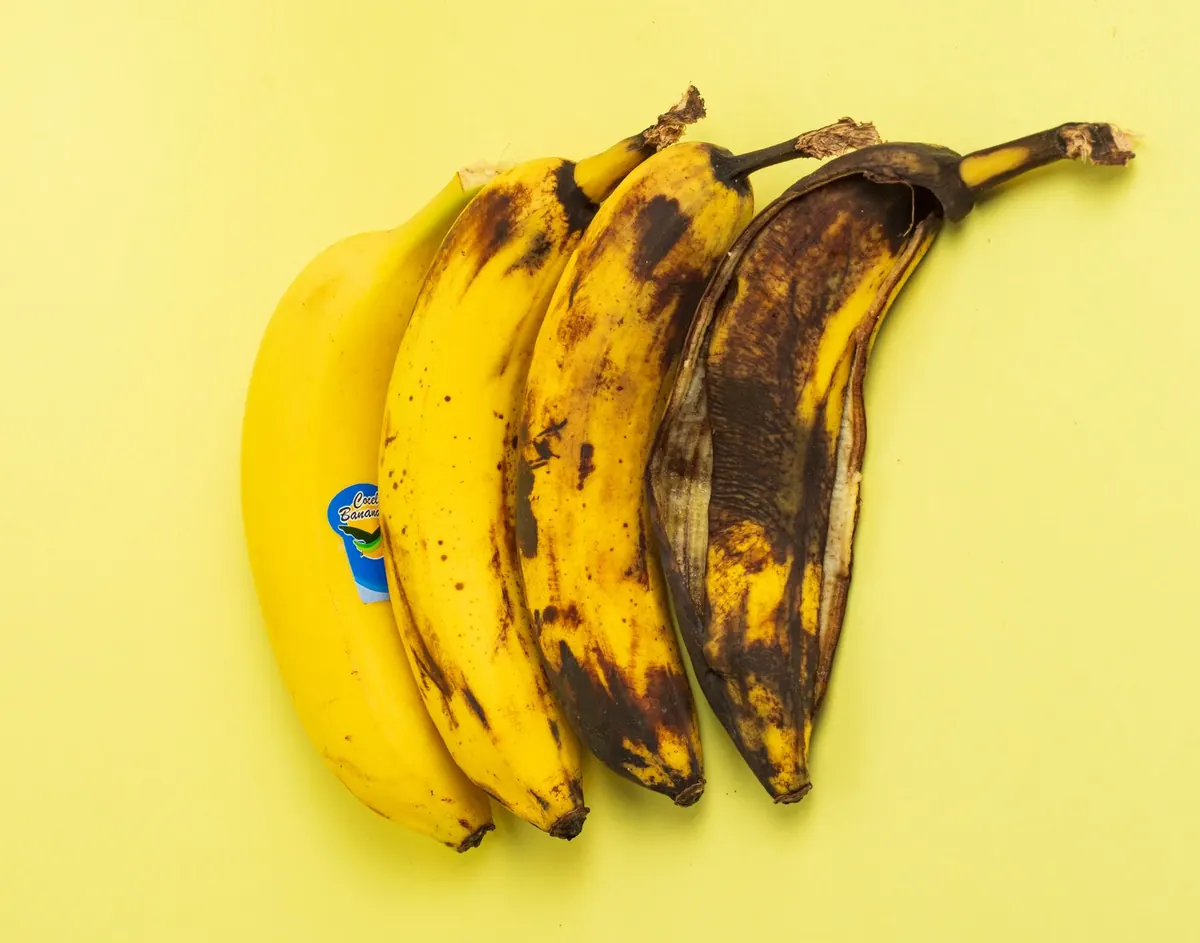
Bananas: room temperature, well away from other fruit. Once speckled, peel and freeze for smoothies.
Peaches, nectarines, plums: room temperature until fragrant, then a paper bag in the fridge. Bring out an hour before eating.
Avocado: a whole ripe one keeps a few days chilled. For a cut half, press cling film onto the flesh, add a squeeze of lemon or lime, and use within a day or two.
Apples and pears: bagged in the fridge, away from everything else. Heavy ethylene producers, but long keepers.
Grapes and cherries: cold, dry and unwashed, in a vented bag.
Citrus: the crisper drawer for longer storage, the door for a day or two.
When you can't keep up: freezing and cooking
Ripeness isn
Photo: hbieser / Pixabay