Pears are the awkward fruit of the autumn garden. An apple in a bowl will tell you plainly when it is ready to eat. A pear stays firm and unbothered right up to the moment the core turns to mush. The reason is simple: pears ripen from the inside out, so the flesh around the seeds softens long before the skin near the stalk gives at all.
That does not make them hard work. It means the timing has to be done by hand rather than by hope. Pick at the right moment, give each variety the ripening it actually wants, and a pear grown in a British garden in October beats almost anything sold in a supermarket box.
Here is how the season runs from September to November, what to look for on the tree, and what to do once the fruit reaches the kitchen.
Why Pears Are Different
Apples ripen on the tree and then store. Pears do the opposite. Left to soften on the branch, they go grainy and brown at the core while the outside still looks flawless. Pick them while they are hard and finish them indoors, and the flesh stays buttery all the way through.
Many varieties also need a spell of cold before they will ripen evenly. A Conference pear taken from a warm tree in September and dropped straight into a warm fruit bowl can sit hard for a fortnight and then collapse in a single afternoon. Give it a few days in the fridge first and the same pear softens slowly and sweetly, starting at the neck.
How to Tell a Pear Is Ready to Pick
Ignore the calendar for a moment and use your hands. The classic test takes seconds. Cup the fruit, tilt it gently towards horizontal and let the stalk lift away from the branch. If it parts cleanly with the stalk still attached, it is ready. If it needs a tug, walk away and come back in three days.
A few other signals are worth checking alongside it:
- Background colour. The green skin dulls and paler yellow shows through, especially in the shaded hollow around the stalk.
- The lenticels. Those small dots on the skin become more pronounced as the fruit matures.
- The neck. Press gently just below the stalk. A little give is a good sign; softness further down usually means you are late.
- A sample pear. Pick one, leave it on the windowsill for two days and eat it. That tells you more than any date written in a notebook.
Timing shifts with region and weather, so a cool northern garden can run a fortnight behind a sheltered southern one. Judge each tree on its own behaviour, year by year.
September: The Early Varieties
Williams' Bon Chrétien, often sold simply as Williams or Bartlett, is usually the first good eating pear of the year, ready from late August into mid-September. Beth follows close behind, and Onward crops a little later in the month. These early pears are soft, floral and generous, and they are not built to last.
They need almost no chilling. Two or three days on the kitchen counter is usually enough, and once ripe they should be eaten within a day or two. September is the month for eating pears fresh with cheese, slicing them into salads, or poaching the ones that ripen faster than you can keep up with. Do not try to store them into October; they will only disappoint you.
October: Conference and Its Relatives
This is the heart of the British pear season. Conference is picked from mid-September into early October, always while it is still hard enough to feel like a small stone. Beurré Hardy and Concorde come in at roughly the same time, both with rich, melting flesh when they are handled properly.
The fridge-then-bowl method
- Pick the fruit firm, with the stalk intact, and handle it as though it were already ripe.
- Lay the pears in a single layer in the fridge, not touching, for three days to a fortnight. Conference in particular benefits from this cold spell.
- Move a few at a time to a fruit bowl at room temperature. Keep the rest cold so they do not all ripen together.
- Check the neck daily with a gentle thumb. A pear can go from firm to perfect to past it inside eighteen hours.
- Once a pear is ready, eat it, or return it to the fridge to hold for another day or two.
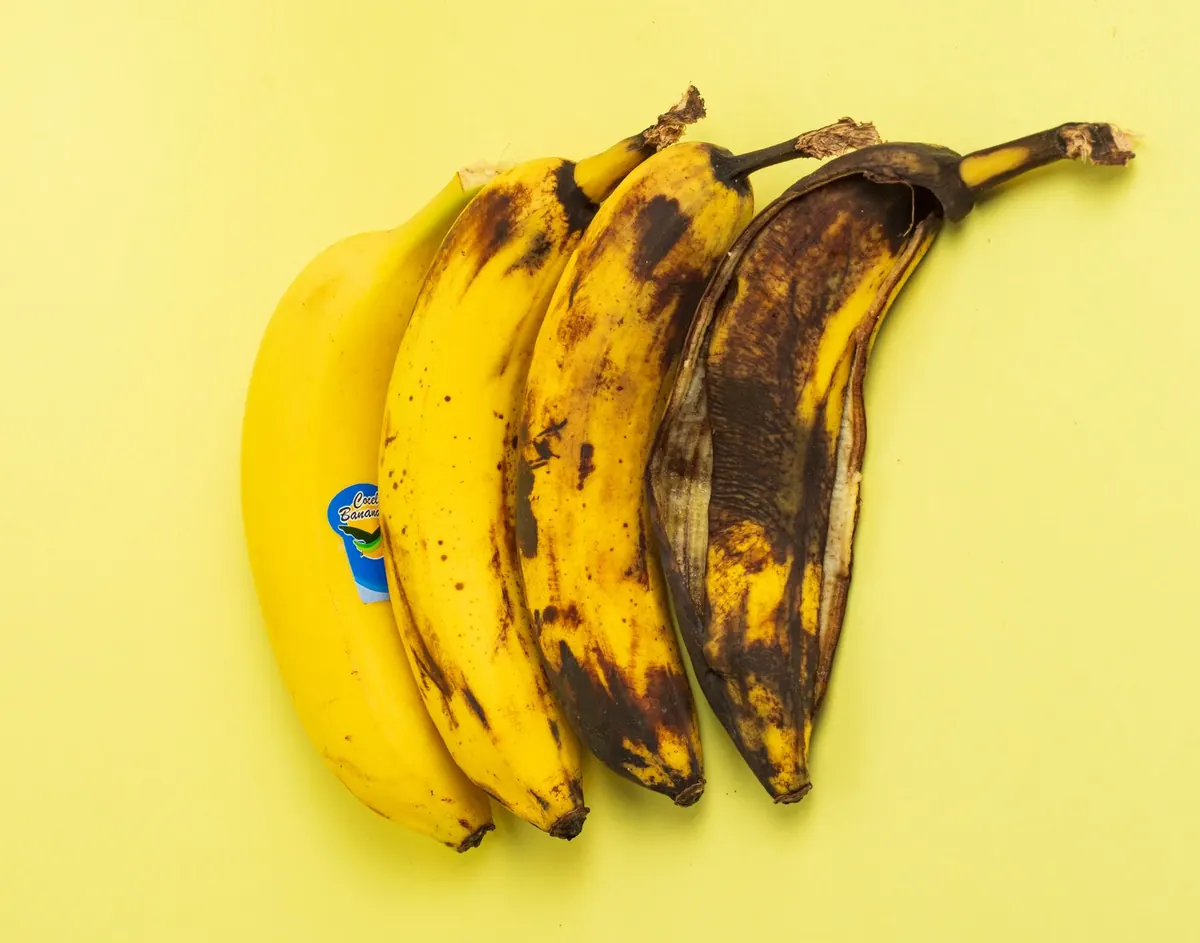
If you want to speed things up, add a ripe banana to the bowl. It releases ethylene gas, which nudges the pears along. Keep the bowl away from direct sun and never stack the fruit in a deep pile, where bruises hide and spread.
November: Comice and the Late Keepers
Doyenné du Comice is the connoisseur's pear: heavy, short-necked and unforgiving if you rush it. It hangs on the tree into late October and often into November, and it should only be picked when the stalk parts easily. Comice ripens fairly quickly once it is off the tree, so bring it in cool, give it two or three days of cold, then watch it closely.
Alongside it come the true keepers. Packham's Triumph, Josephine de Malines, Winter Nelis and Glou Morceau will hold in a cool, dark, frost-free place for weeks, sometimes into the new year. Store them in single layers on slatted trays or shallow boxes, check them weekly, and remove any fruit that shows a bruise or a soft patch before it takes its neighbours with it.
Common Mistakes to Avoid
- Judging by the outside. A pear that feels soft all over is usually already past its best at the core.
- Leaving them on the tree too long. Tree-ripened pears are the most common disappointment in a home orchard.
- Ripening the whole crop at once. Bring fruit out of storage in small batches instead.
- Skipping the cold. Conference and Comice in particular ripen more evenly after a few days of chilling.
- Forgetting to check. A daily press of the neck is the single habit that saves the most fruit.
Your Autumn Pear Calendar
September is for Williams, Beth and Onward, eaten fresh within days of picking. October belongs to Conference, Beurré Hardy and Concorde, picked hard, chilled briefly and ripened a few at a time in the bowl. November brings Comice at its peak and the late keepers that will see you through the winter if they are stored cool and checked often.
Pick in small batches rather than stripping the tree in one afternoon, keep a notebook of when each variety parts from the branch, and taste as you go. After two or three seasons you will know your own trees well enough to ignore the calendar entirely.
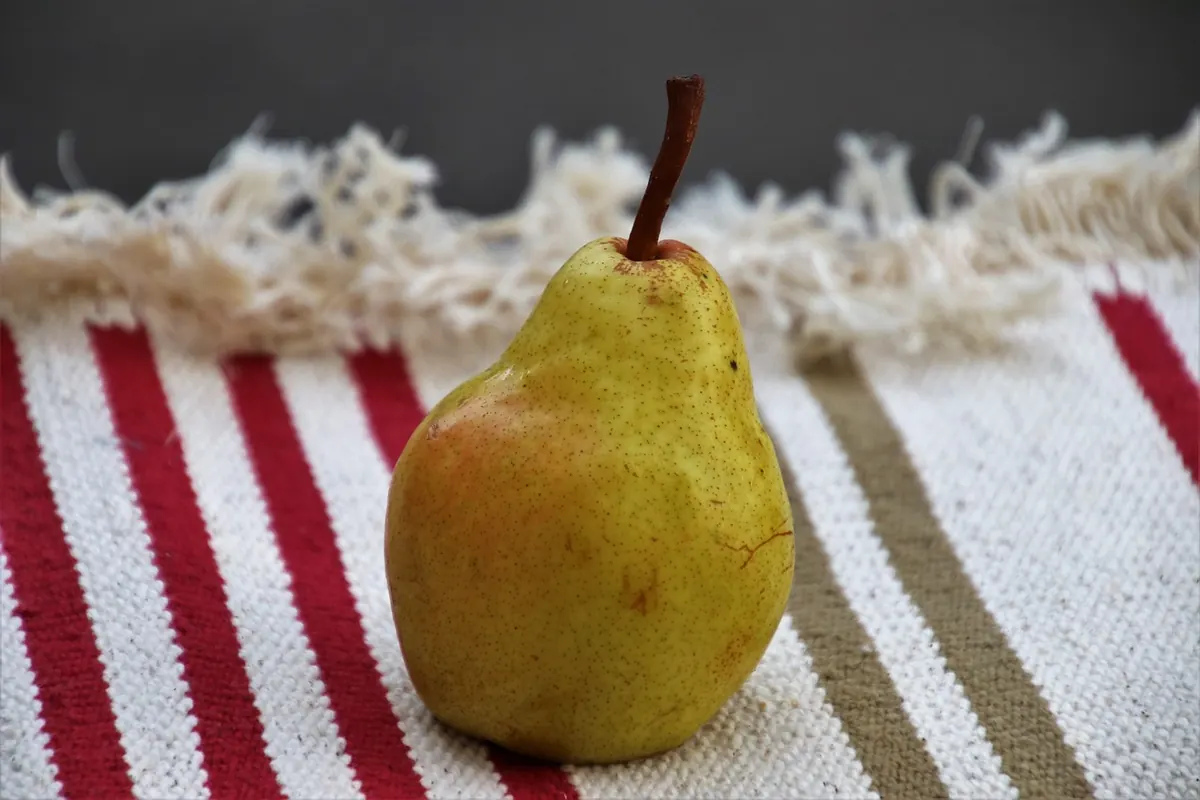
Photo: pasja1000 / Pixabay