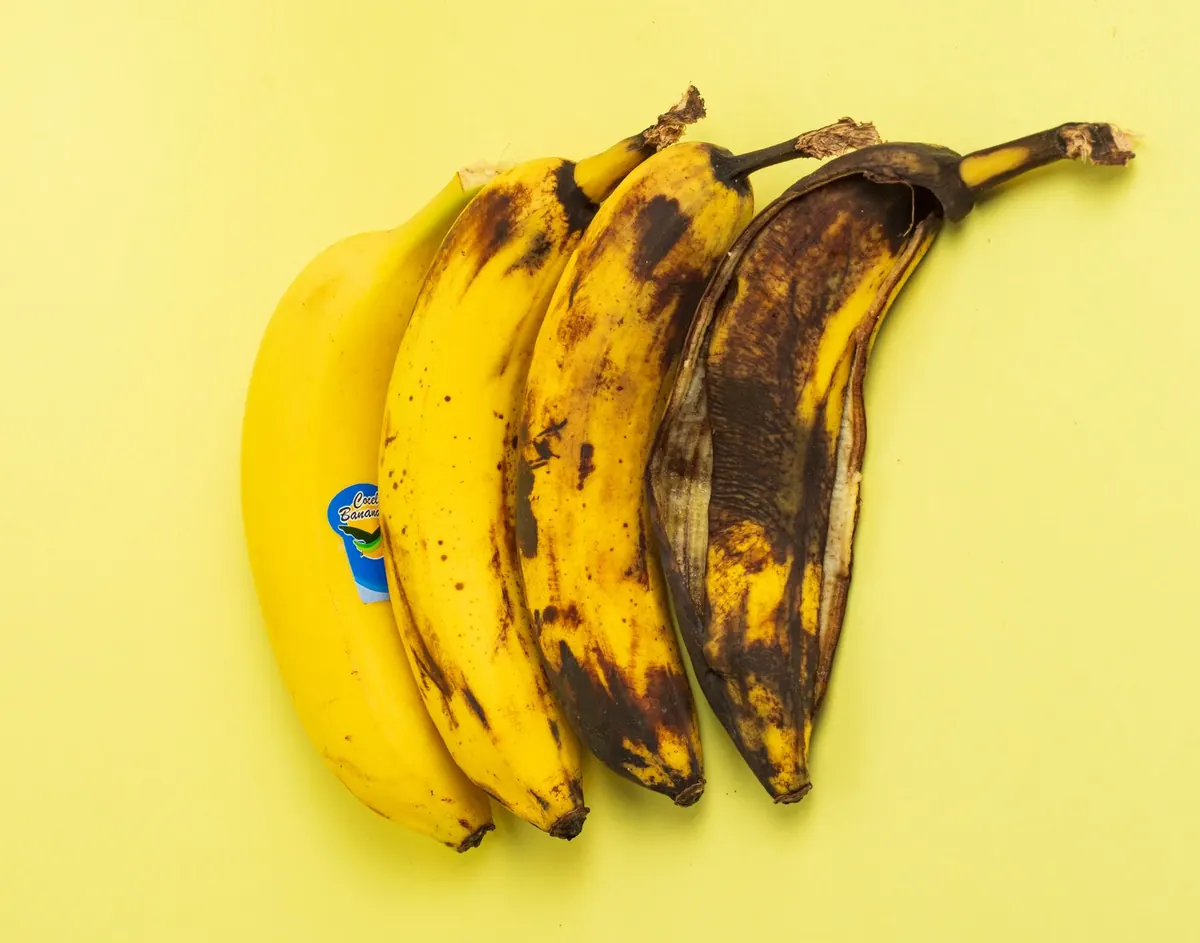
There is a moment in most kitchens when the fruit bowl turns against you. The plums have gone soft at the stem, the pears look creased, and the last two bananas are speckled enough that nobody will eat them raw. None of it needs to go in the bin.
Soft and wrinkled are two different problems. Wrinkled fruit has lost water; soft fruit has ripened past its firm stage. Neither means spoiled, and both can still become something worth eating. Here is how to tell the difference and what to do about each.
Sort first, cook second
Before anything goes near a pan, look at it and smell it. Fruit is fine to use when it is soft, collapsing or dimpled, as long as it smells sweet and clean and the skin is sound apart from bruises.
Bin it if:
- there is fuzzy mould anywhere on the fruit, or on its neighbours in the bowl;
- it smells fermented, vinegary or yeasty;
- it is weeping cloudy liquid, or the flesh under the skin has gone dark and slimy.
Mould on soft fruit sends threads well beyond the patch you can see, so cutting off the bad corner is not a safe fix for berries, peaches or tomatoes. On firm fruit such as apples and pears, a small bruised area can be cut away generously, well past the discolouration.
Baking: the most forgiving rescue
Heat hides a great deal. Once fruit collapses into a crumble, a cake or a traybake, nobody can tell it was ever past its best.
Roasting is the quickest route. Halve stoned plums, apricots, peaches or pears, lay them cut side up in a dish, scatter with a spoonful of sugar and a pinch of salt, and roast at 200C (180C fan) for 20 to 30 minutes, until the edges catch and caramelise. Eat warm with yoghurt or cream, or keep it in the fridge for four or five days.
If you are folding chopped soft fruit into cake batter, remember that it releases water. Toss it in a spoonful of flour first and shave a couple of tablespoons of milk off the recipe. Bananas are the exception: a mashed black banana is exactly what banana bread wants.
A crumble topping that freezes
Rub 100g plain flour, 50g cold butter and 50g sugar together until it looks like coarse breadcrumbs, scatter it over fruit in a dish and bake at 190C (170C fan) for 30 to 35 minutes. Make double and freeze half unbaked.
Blending: coulis, smoothies and instant sorbet
Fruit too soft to hold its shape is fruit for the blender. A coulis is the most useful thing to make: simmer fruit with a splash of water and a spoonful of sugar for ten minutes, blend, then sieve if you want it smooth. Spoon it over ice cream, pancakes, porridge or yoghurt. It keeps a week in the fridge and freezes well in small tubs.
Soft fruit is already watery, so pair it with thicker things in smoothies: yoghurt, oats, nut butter, frozen banana. A spoonful of cocoa hides browning flesh if the flavour is still good.
The trick worth knowing: freeze ripe fruit in chunks, then blend the frozen chunks on their own. The result is thick, spoonable and close to sorbet, with no machine needed. Mango, banana, berries and peach all work.
Freezing: buy yourself time
When there is no time to cook, freeze. Nearly all soft fruit freezes well, and it buys you months rather than days.
- Rinse and dry it. Wet fruit freezes into a solid block.
- Cut out stones, cores and badly bruised patches.
- Spread the pieces on a tray lined with baking paper, freeze flat for two hours, then tip into bags so nothing welds together.
- Squeeze out the air, label with the date and use within six months for the best flavour.
Purée with a squeeze of lemon before freezing if you want it ready for sauces, and freeze in ice cube trays so you can drop a portion into a glass of sparkling water or a stew.
Sauces, chutneys and curds
Soft fruit that still tastes sharp is a gift for the hob. Tomatoes, plums, damsons and apples all cook down into sauces that will outlast them by a year.
For a simple fruit sauce, simmer chopped fruit with a little water until it collapses, then add sugar to taste, a squeeze of lemon and a pinch of salt. Cook until it coats the back of a spoon. Add vinegar and spices and you have chutney; add ginger and chilli and you have something for cheese.
Curds, whether lemon, passion fruit or raspberry, take soft fruit juice happily, though they contain eggs and butter, so keep them in the fridge and eat them within a couple of weeks. Soft fruit makes excellent jam, but low-pectin fruits such as strawberries, peaches and cherries need help: add lemon juice or use jam sugar, and follow the setting instructions on the packet.
Preserving is not a licence to use dodgy fruit. Jam made from mouldy berries is still made from mouldy berries.
Know when to let it go
Not everything can be saved, and pretending otherwise fills the fridge with hopeful tubs. If fruit has grown fur, smells of alcohol or has visible slimy patches, throw it out. Compost it if you can, but do not taste it to check.
If you are bottling or jarring preserves for long storage, follow a tested recipe for that fruit rather than improvising, and sterilise your jars properly. Home preserving of low
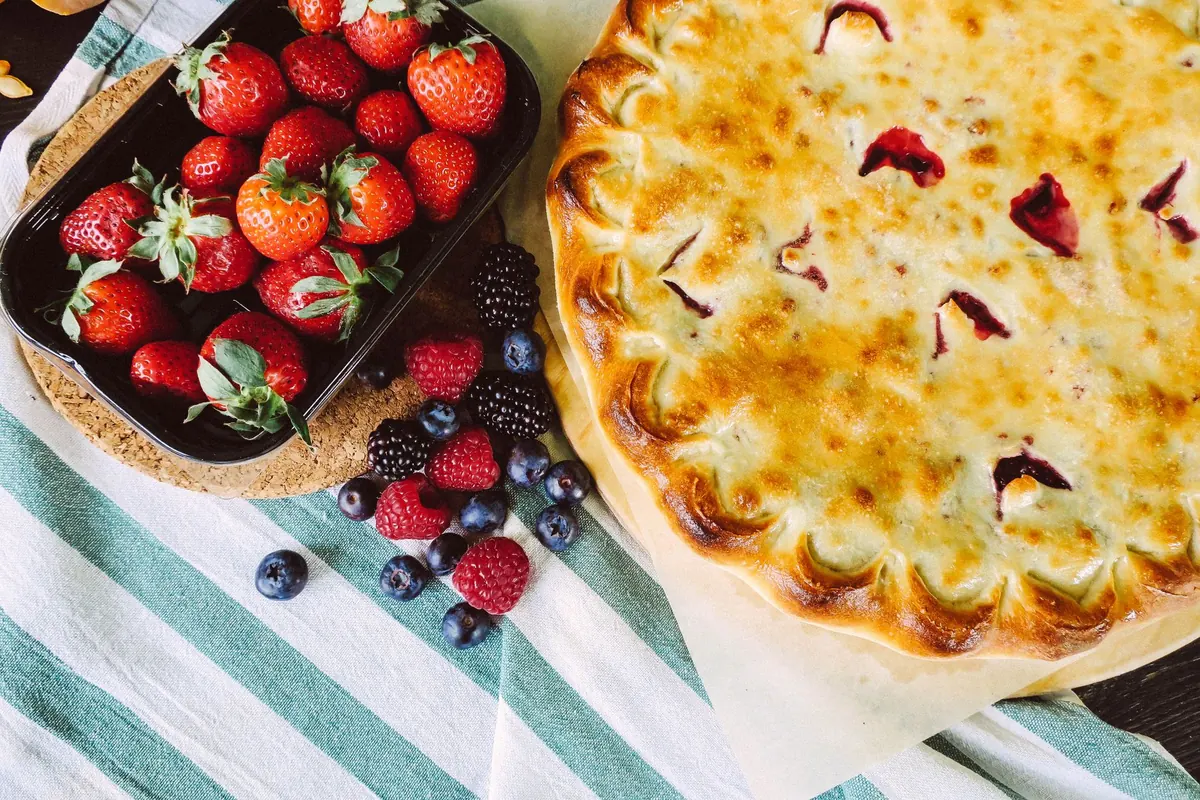
Photo: Christina Voinova / Pexels