You bring home a bag of peaches that feel like cricket balls, or an avocado that could double as a paperweight. A few days later, they are tender, fragrant and ready. That change is not magic, and it is not simply ageing. Ripening is a controlled series of chemical changes, and once you understand which fruits can be coaxed along, you can stop guessing and start eating them at their best.
What Ripening Actually Means
During ripening, starches turn into sugars, acids mellow, pectin in the cell walls breaks down, and compounds that create aroma develop. The fruit softens, sweetens and becomes more appealing. Ethylene, a natural plant hormone, drives much of this process in many fruits. Respiration also continues, using oxygen and releasing carbon dioxide and heat.
Ripening is different from spoiling. A ripe fruit is at its peak; a spoiled one is past it, with mould, fermentation or collapsing texture. The aim is to catch the window between hard and gone. That window is wider for some fruits than others.
Climacteric Fruits: The Ones That Keep Going
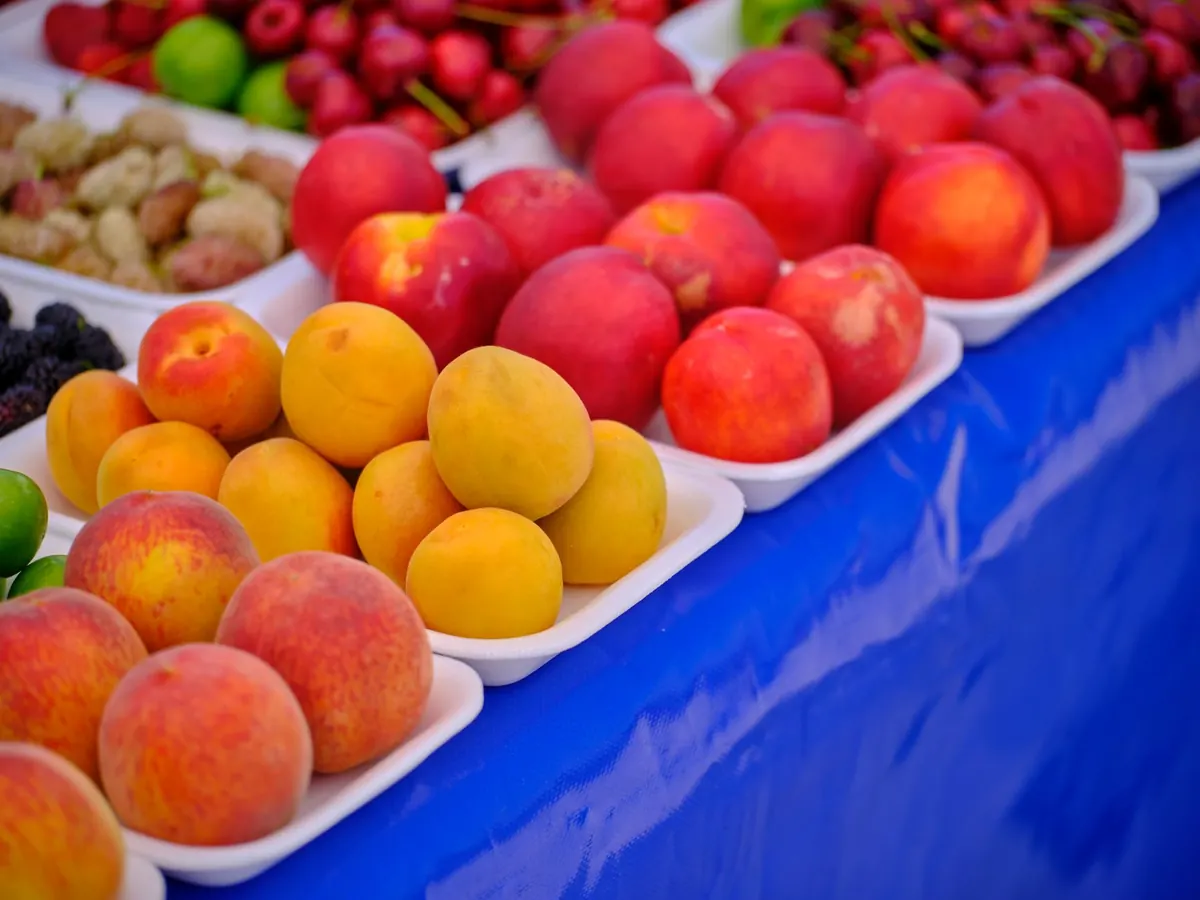
Climacteric fruits continue to ripen after they are picked. They produce a burst of ethylene and respond to it, which means a firm fruit from the shop can finish ripening on your worktop. Common examples include bananas, avocados, peaches, nectarines, plums, apricots, pears, mangoes, kiwifruit, papayas, tomatoes and apples.
These are the fruits that benefit from a little management. Leave them at room temperature, check them daily, and move them to the fridge once they are ready if you want to slow them down. A paper bag traps ethylene and speeds things up; a sealed plastic bag traps moisture and can encourage mould, so avoid it unless the fruit is dry and you are checking often.
To hurry a hard avocado or pear, place it in a paper bag with a ripe banana or apple. The ripe fruit releases ethylene and gives the process a nudge. Add a sheet of kitchen paper if the fruit is damp. Open the bag each day, feel the fruit and remove anything that is ready.
Non-Climacteric Fruits: Ripen on the Plant
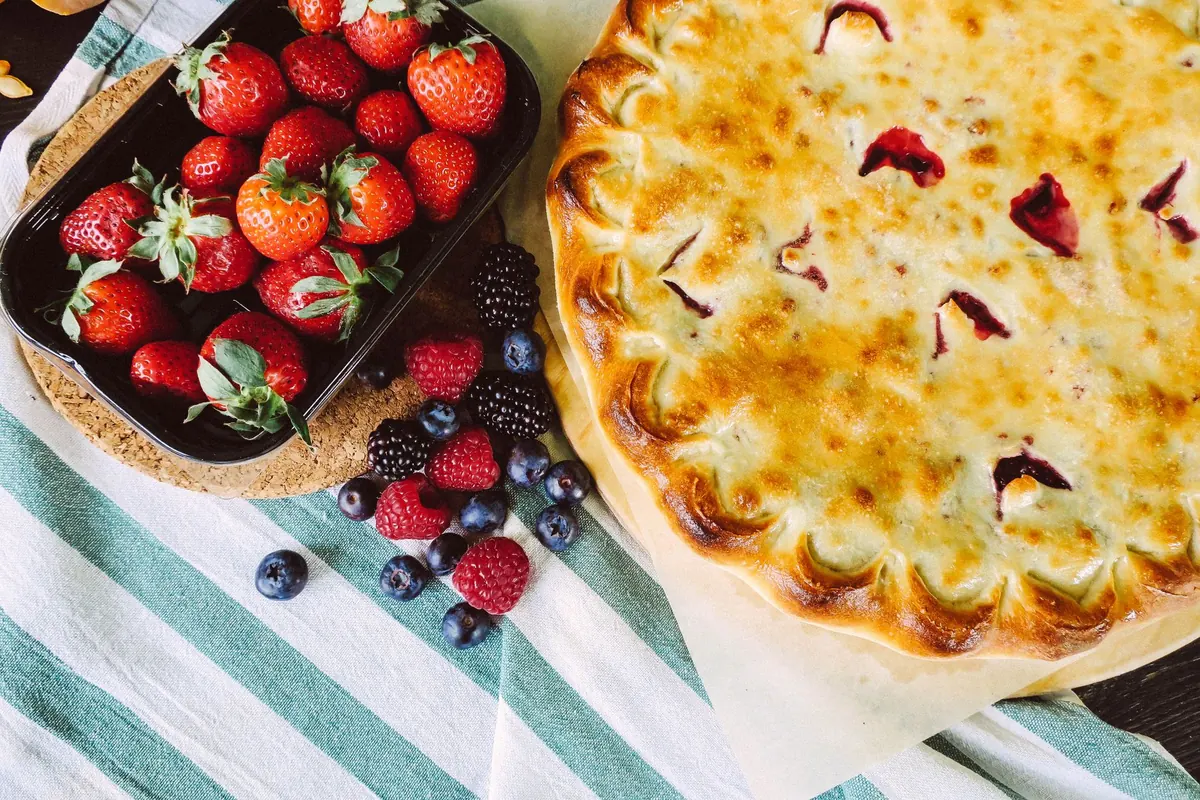
Non-climacteric fruits do not continue ripening after harvest. They may soften, colour or decay, but they will not become sweeter in any meaningful way. If a strawberry is picked underripe, it stays tart. The same applies to raspberries, blackberries, blueberries, cherries, grapes, citrus, pineapples, watermelons, pomegranates and lychees.
For these fruits, the best approach is to buy or pick them as close to ripe as possible and then store them properly. Berries and cherries belong in the fridge. Citrus can sit in a cool spot for a few days, but it keeps longer chilled. Watermelon and pineapple are best eaten soon after cutting; chilling improves texture and flavour but does not add sugar.
Reading the Signs of Ripeness
No single test works for every fruit, but your senses together are reliable. Start with feel, then smell, then look. The stem end is often the most informative area because it ripens first and carries aroma.
- Touch: gentle pressure should yield slightly, like a ripe peach or avocado. A fruit that is rock hard is not ready; one that dents and stays dented is overripe.
- Smell: a sweet, floral or fruity scent at the stem end usually means ready. If it smells alcoholic or sour, it is past its best.
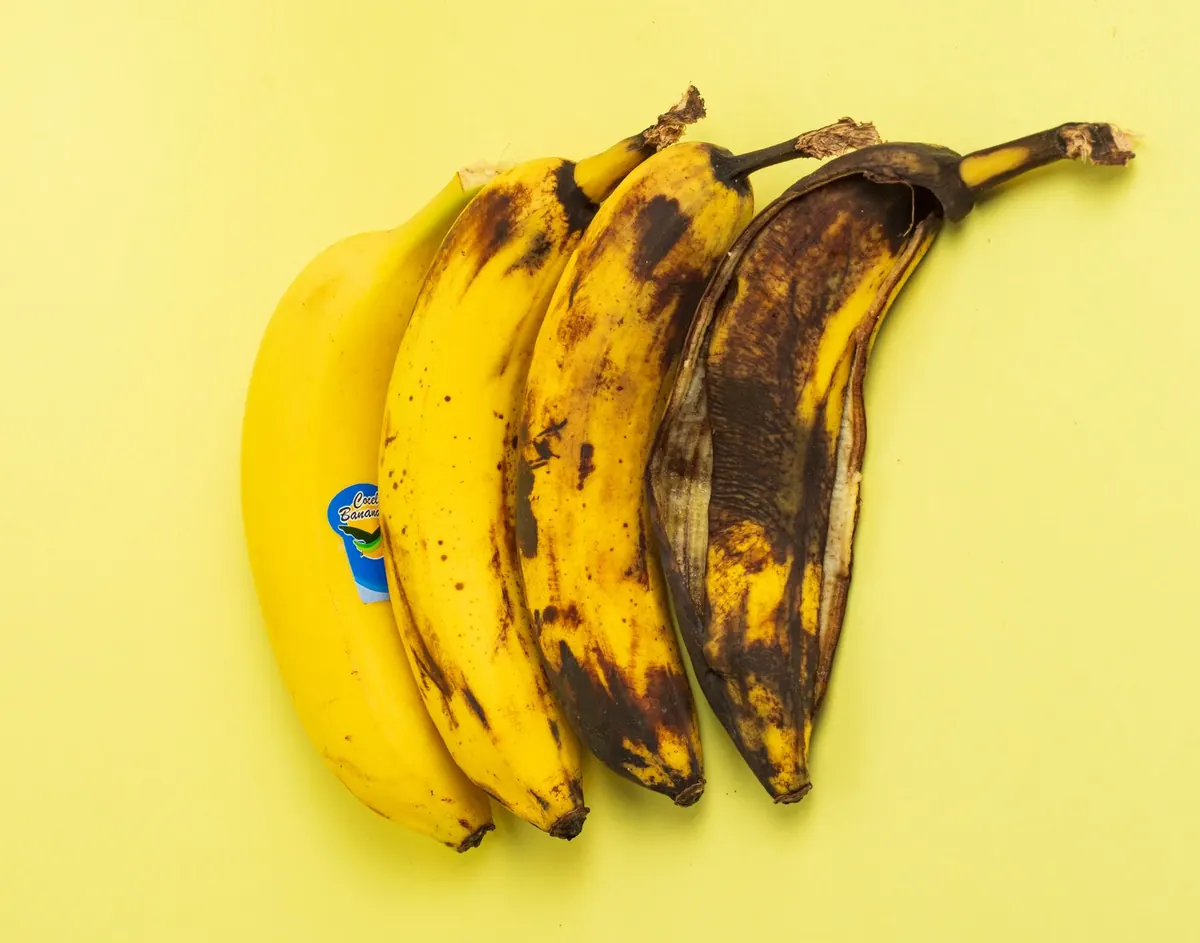
- Sight: colour deepens and highlights appear. Bananas get sugar spots; peaches lose their green undertone; mangoes turn from green to yellow, orange or red depending on variety.
- Sound: a watermelon may sound hollow when tapped, but this is not foolproof. A dull thud can also mean overripe.
- Stem: some stone fruits and melons detach easily when ripe. If the stem tears, give it another day or two.
For avocados, the small stem cap is a useful clue. If it flicks off easily and you see green underneath, the fruit is close. If it resists, wait. For pears, press gently near the neck, not the middle. For tomatoes, smell the stem and feel for a slight give.
A Simple Kitchen Ripening Setup
You do not need special equipment. A clear patch of worktop, a few paper bags and a shallow bowl will do. The goal is to control ethylene, airflow and temperature without creating a fruit fly nursery.
- Choose a cool, dry spot away from direct sun, radiators and ovens. Room temperature is usually right; heat speeds ripening but can also cause soft spots and rot.
- Keep fruit in a single layer in a shallow bowl or tray. Piling it up traps moisture and bruises the bottom fruit.
- Use paper bags for hard climacteric fruits. Fold the top loosely rather than sealing it tight.
- Add a ripe banana or apple to speed things up. Remove it if it starts to spoil.
- Check every day. Ripening can move quickly once it starts, especially in warm weather.
- Move ripe climacteric fruits to the fridge to slow further change. Keep non-climacteric fruits chilled from the start, except bananas and tomatoes, which suffer in the cold.
Keep ethylene producers such as bananas, apples and pears away from leafy greens, broccoli and other ethylene-sensitive produce if you want those to last. A bowl of fruit looks lovely, but it can shorten the life of nearby vegetables.
When to Chill and When to Wait
Chilling pauses ripening for climacteric fruits, but it does not improve flavour. Put an unripe avocado in the fridge and it may stay hard for days, then soften poorly. Wait until it gives slightly, then chill. Bananas are similar: cold turns the skin black while the flesh stays firm. Tomatoes lose aroma in the fridge, so keep them on the worktop and eat them within a day or two of ripening.
Non-climacteric fruits are different. They will not ripen further, so refrigerate them when you get home if you are not eating them straight away. Let stone fruit and berries come up to room temperature for half an hour before serving; the aroma returns and the flavour tastes fuller.
Start With One Bowl
Pick one fruit to practise with this week. Avocados, pears and peaches are forgiving teachers. Set them in a paper bag, check them daily, and note how they feel and smell when they are ready. Once you can judge one fruit, the same principles apply across the bowl: know whether it ripens after picking, give it the right conditions, and catch it at the moment it tastes best.
If you are ever unsure, trust your nose and a gentle press. The fruit will tell you more than a date label ever can.
Photo: Engin Akyurt / Pexels